

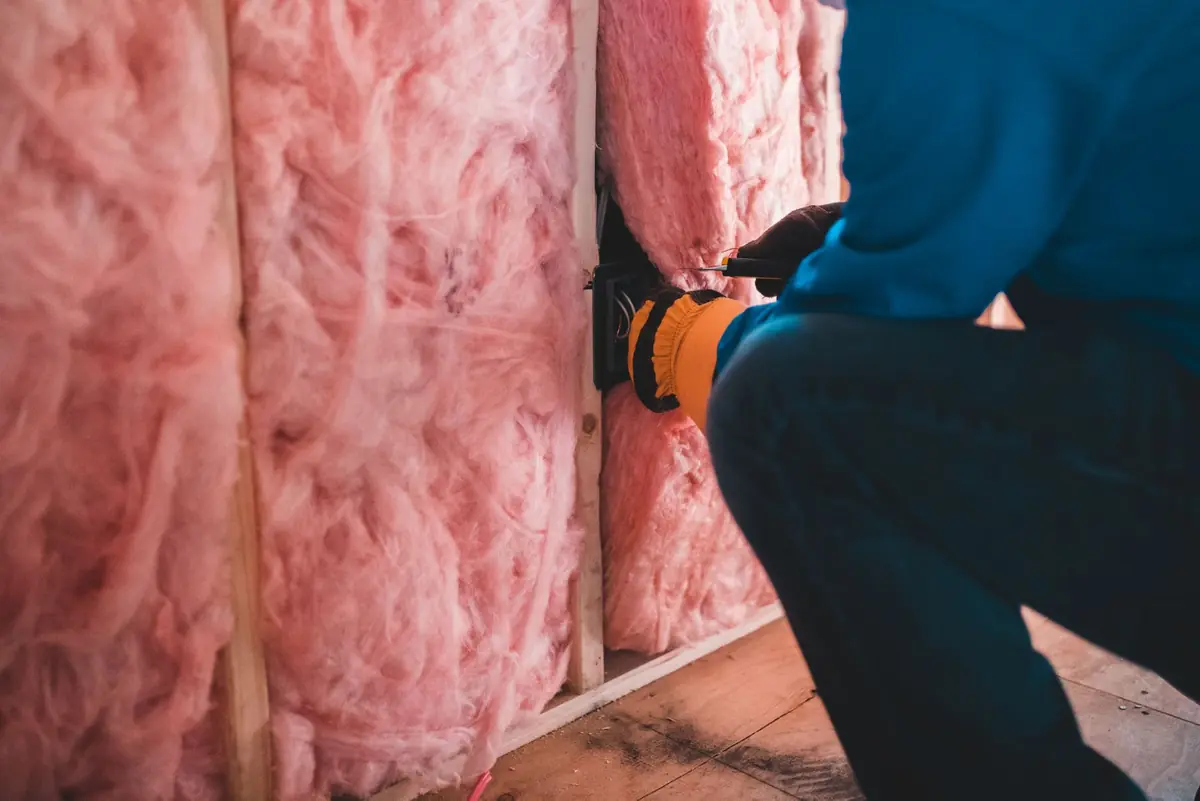
Insulation and air sealing that stops the drafts
Most comfort problems start with air leaks and thin insulation. We find them with diagnostic testing, fix them, and test again to prove it.
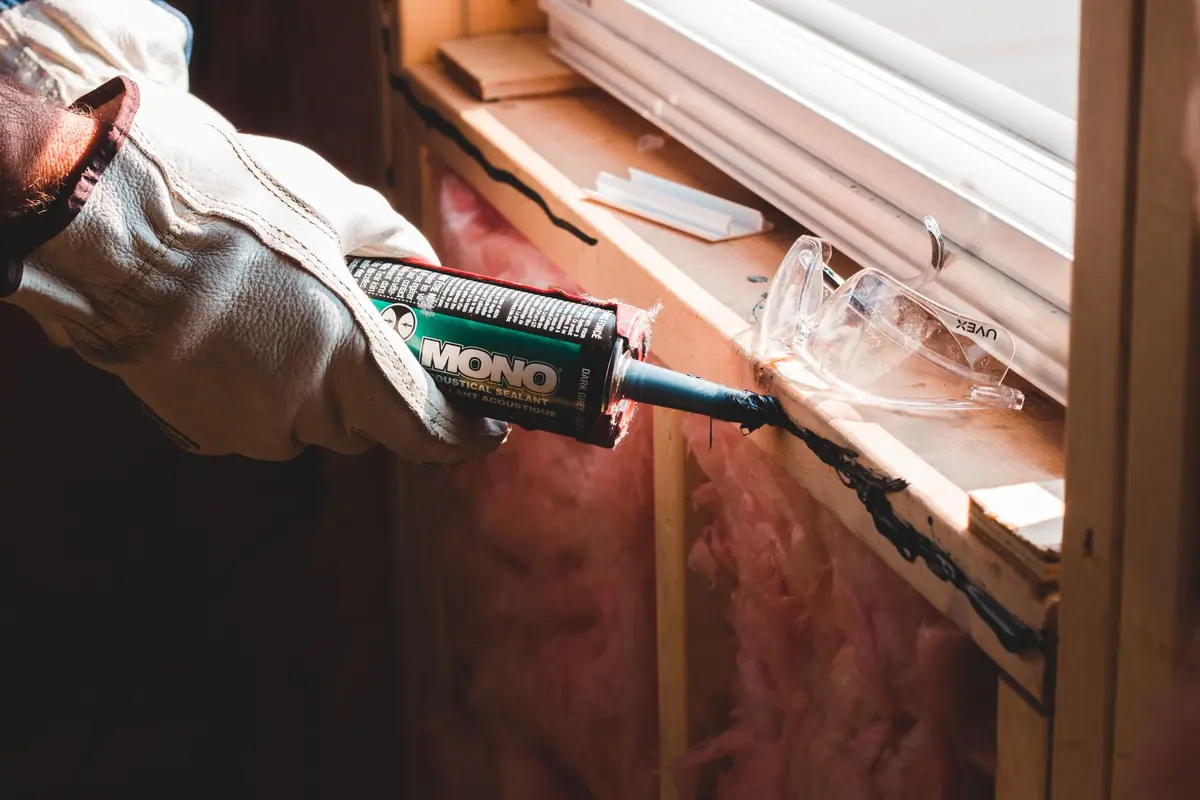
Seal the leaks first. Then insulate what is left.
Insulation only works well when air is not moving through it. So we start by finding and sealing the leaks, then add insulation where it will make the biggest difference.
Every home is different. Your assessment shows where air is getting in and where insulation is missing, thin or compressed, so the work targets the real problem.
- Air sealing of attic floors, rim joists, penetrations and duct runs
- Attic insulation added or upgraded to suit your home
- Crawl space and basement insulation where it makes sense
- Combustion safety and ventilation checks before and after
- A test-out to confirm the work did what it should
Does any of this sound familiar?
Drafty rooms
You can feel air moving near windows, outlets, doors or the attic hatch.
Hot and cold spots
Some rooms never match the thermostat, especially upstairs or over the garage.
Bills that feel high
Energy use seems out of proportion to the size of your home.
Ice dams in winter
Icicles or uneven snow melt on the roof can point to heat escaping through the attic.
Dust and outdoor noise
Leaks let in dust, pollen and sound along with the air.
A system that never rests
Heating or cooling runs constantly just to keep up.
How the work gets done.
Assess
Air leakage testing and infrared camera checks show where air leaks and insulation gaps are.
Plan
You get a written, prioritized plan and the Pepco rebates that may apply.
Seal and insulate
Our crew air seals first, then adds insulation where it counts.
Test out
We test again to confirm the improvement and finish the program paperwork.
Pepco rebates may apply
Air sealing and insulation can qualify for rebates through the Pepco Home Performance with ENERGY STAR® program, depending on current program rules. As a participating contractor, we reserve rebates and handle the paperwork.
Is air sealing safe for indoor air quality?
Safety and ventilation checks are part of a proper assessment. Combustion appliances are tested for carbon monoxide and the home's ventilation is checked, so sealing leaks does not trade comfort for air quality.
Will insulation really change how my house feels?
Air sealing and insulation reduce drafts and help rooms hold their temperature, so comfort usually improves. We measure air leakage before and after so you can see the change. We do not promise specific savings numbers, because they depend on your home.
What upgrades can the program cover?
Depending on current program rules, eligible upgrades can include air sealing and insulation, duct sealing, high-efficiency heating and cooling equipment including heat pumps, heat pump water heaters and smart thermostats. Your assessment report shows which recommendations apply to your home.
How do the rebates work?
After the assessment you receive a prioritized list of recommended improvements, and you decide which ones to do. As a participating contractor we reserve the rebates for your project and handle the program paperwork, and Pepco processes the rebate. Once the work is done, a test-out checks the results. Ask us how the rebate applies to your project cost before you sign.


Ready to find out where your home is losing energy?
Book a home energy audit. We confirm your Pepco eligibility, explain the process and schedule your visit.